‘No More Fruit’ In Army’s Budget Tree: McConville
The Army’s prioritized so ruthlessly that the top 11 percent of programs will get 50 percent of the funding. The other 89 percent can’t take any more cuts without it killing them.
The Army’s prioritized so ruthlessly that the top 11 percent of programs will get 50 percent of the funding. The other 89 percent can’t take any more cuts without it killing them.

Russia has big ambitions for unmanned systems, said CNA scholar Sam Bendett, but it faces the same technical hurdles as the US — and shares the same concerns about human control.


Industry is excited about the Optionally Manned Fighting Vehicle. Congress and the Biden Administration are a harder sell.
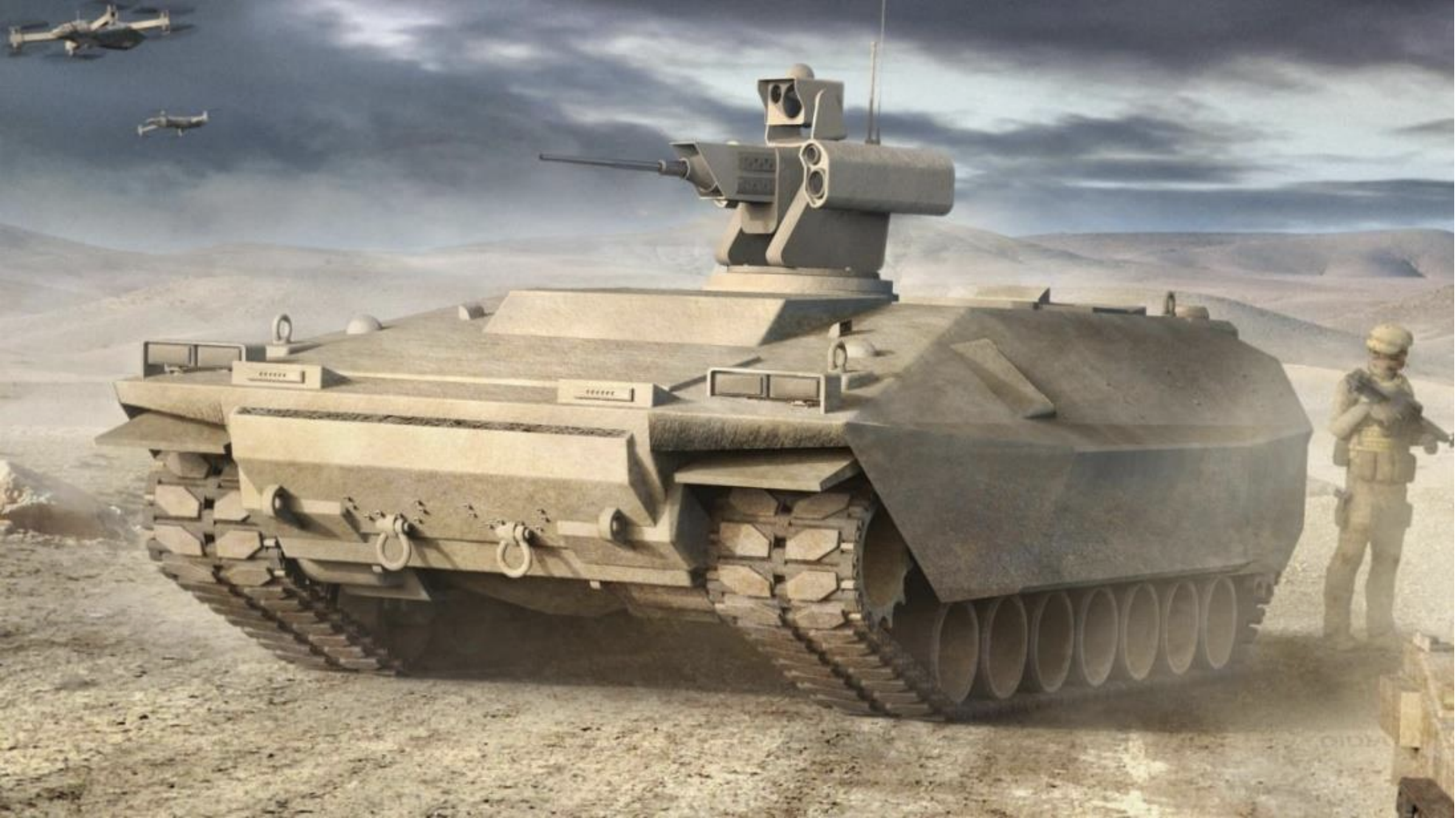
“We realize that we may be considered an underdog,” says the company, which has never built a vehicle before, “but that is not going to stop us” — and the Army has explicitly sought out small businesses with big ideas.

The Korean company is partnering with US-based Oshkosh. That means at least five teams are now competing to replace the M2 Bradley, a far stronger response than the Army’s first attempt in 2019.

General Dynamics is offering the Army a design approach -- not a specific vehicle -- that rigorously examines a wide array of options. The common factors: advanced electronics, open architecture and artificial intelligence.


Blending superior optics, advanced stabilization and AI-powered autonomy in a compact and rugged system, ASELFLIR 600 delivers unmatched intelligence, surveillance and reconnaissance (ISR) capabilities.
BAE’s press release features a shadowy silhouette of a previously unseen vehicle. Could this be BAE’s proposal for the Optionally Manned Fighting Vehicle?

L3Harris joins Textron and Raytheon on Rheinmetall’s team to refine the heavily armored, high-tech Lynx for the Army’s Optionally Manned Fighting vehicle competition.

The Army Chief of Staff defended the service’s ambitious modernization program, particularly new armored vehicles and long-range missiles.

Manned armored vehicles will have a place even in a world of killer drones, experts agreed. But will they engage the enemy directly with big guns, or stay hidden and send out armed robots instead?


Consolidate network monitoring, performance management, and fault isolation into a single, comprehensive solution.

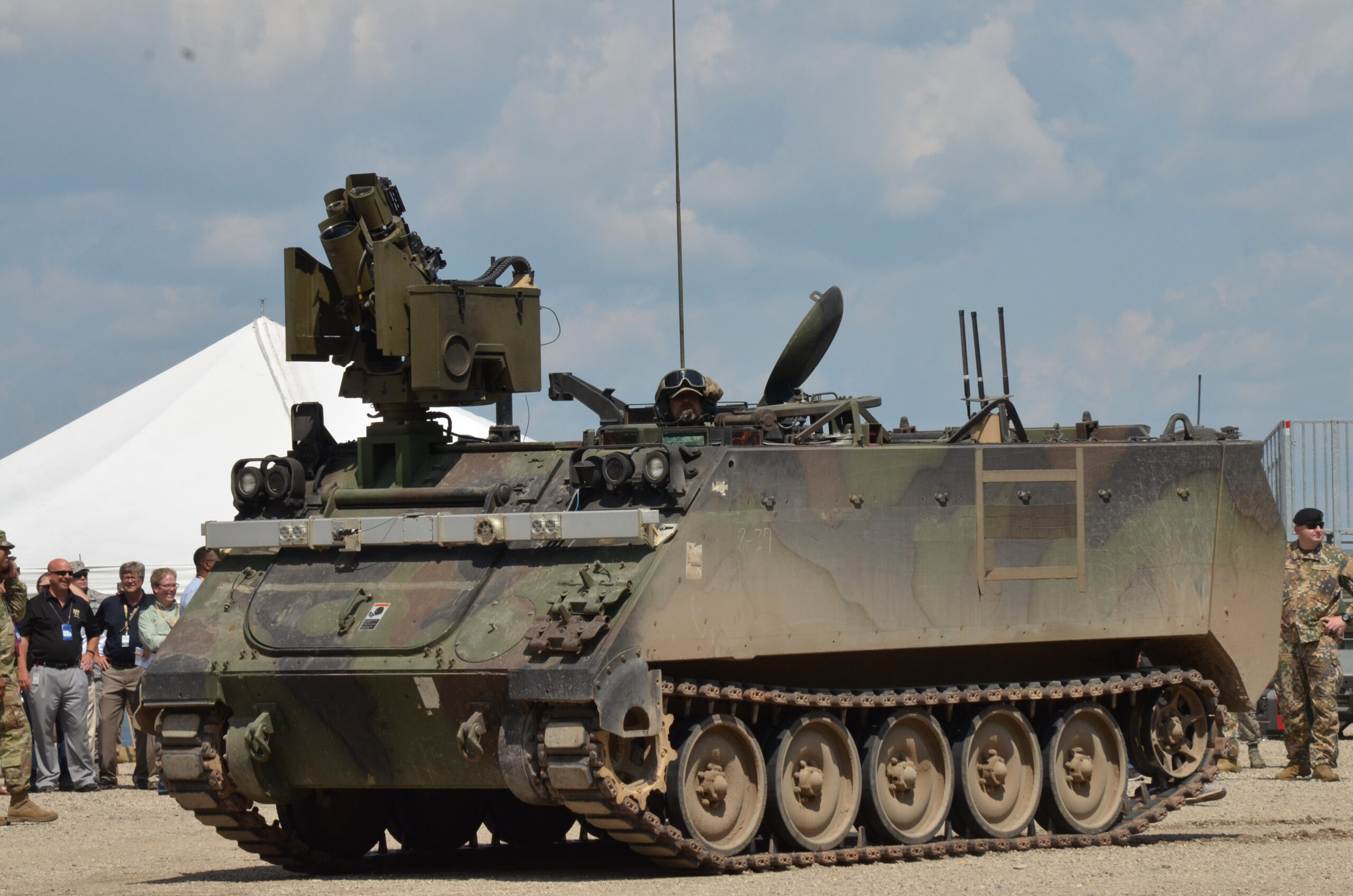
Adding robot scouts and replacing vintage vehicles – the M113, the M2 Bradley, and potentially even the M1 Abrams – will make heavy brigades much more mobile, lethal, and aware of threats, Maj. Gen. Richard Ross Coffman says.

“China’s proven it will not self-limit in competition, so we cannot expect them to self-limit in conflict,” said Maj. Gen. Richard Ross Coffman, who heads armored vehicle modernization at Army Futures Command. “We’ve got to be able to fight no matter where we are.”
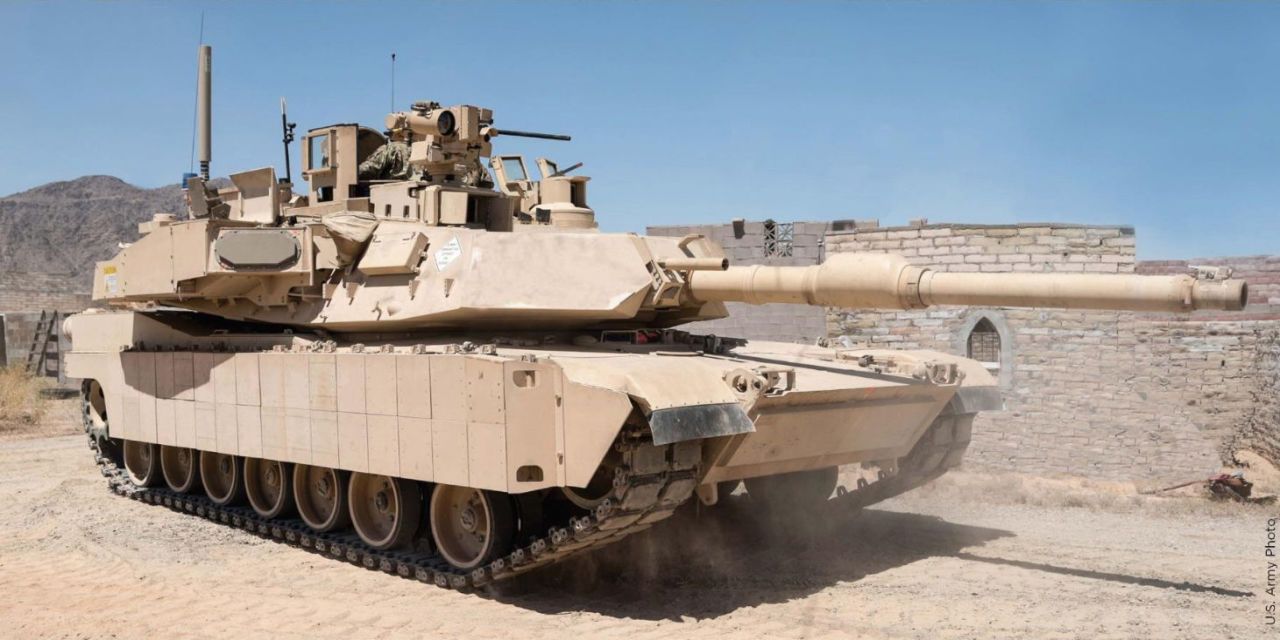
The Army’s already installed off-the-shelf Israeli anti-missile systems on its M1 Abrams and tried similar tech on Bradley and Stryker. But what it really wants is a standardized yet customizable Modular Active Protection System (MAPS) it can install on a wide range of vehicles.
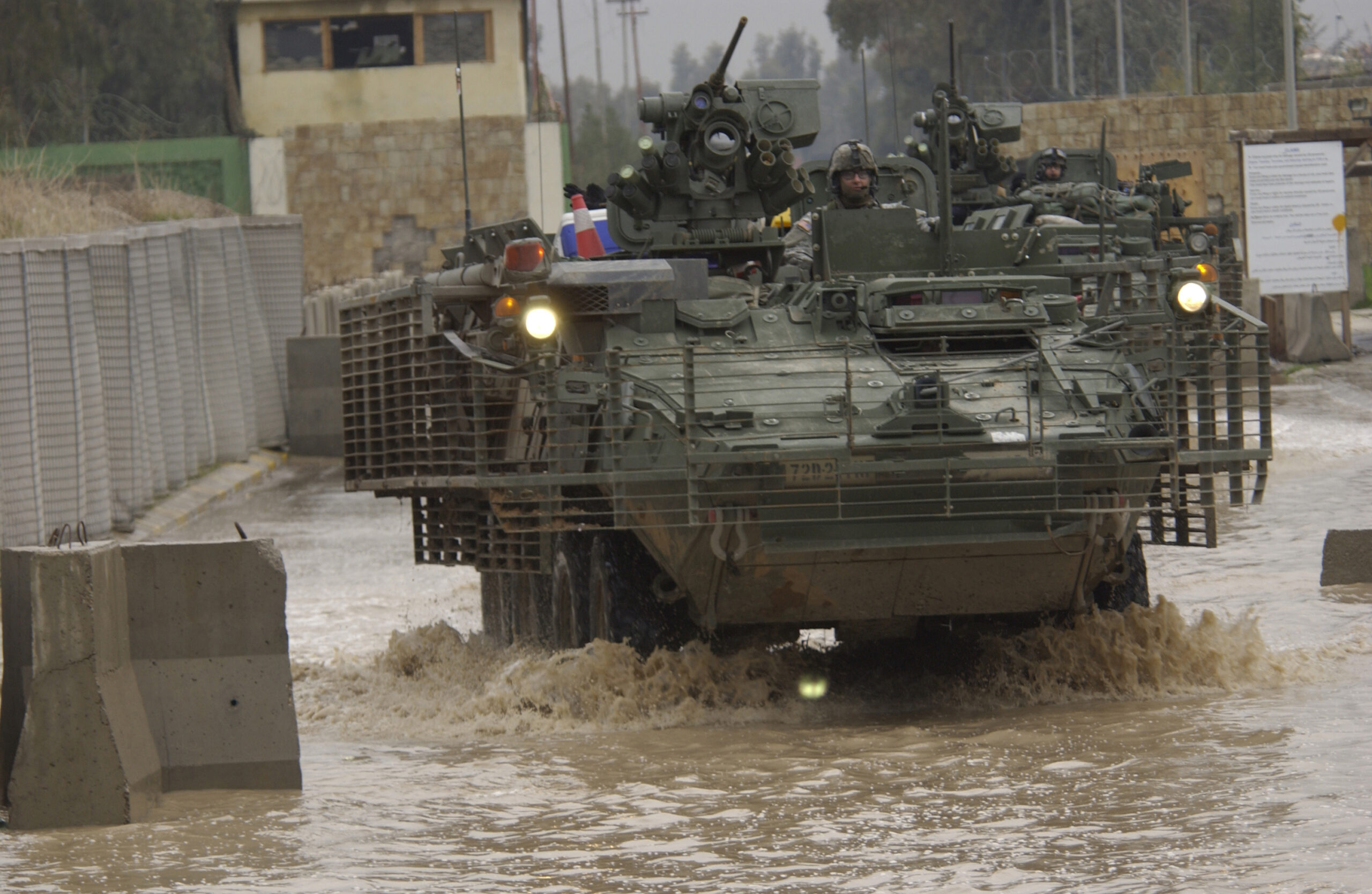
Miniaturized missile defenses work well on heavy tanks, but efforts to fit such Active Protection Systems on light vehicles like Stryker have failed – so far. Now the Army will test two lightweight options: Rafael’s Trophy VPS and Rheinmetall’s ADS.